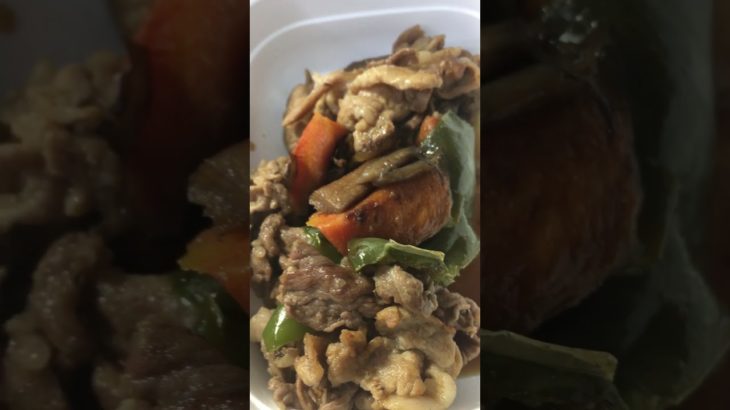
It has been common since the Edo period, as kinpira with stir-fried vegetables is published in the daily economical and frugal cooking sumo efforts. [1] However, Japanese food, Ichiju Sansai, is a simmered dish, a grilled dish, and a spicy dish, and it was not common to stir-fry. * There was stir-fried boiled like Chikuzen boiled.
Before the Meiji era, fats and oils themselves were valuable, and stir-fried foods that made them indispensable were not common [2]. However, I was also eating dishes that used more oil, such as tempura, so I may not have liked stir-fried vegetables. From the Meiji era to the Taisho era, when Western-style cooking methods were introduced in Japan, the number of cookbooks introducing stir-fried foods using butter increased rapidly [3]. However, cooking oil is still a valuable item, and Chinese-style stir-fried vegetables, which require a large amount of oil and fat, are not often mentioned in cookbooks at that time. [4]
In the 1920s, the benzine extraction method increased the production of soybean oil and began to spread widely as edible oil [3]. Western cuisine became popular in urban areas during the Taisho era due to the spread of cookbooks and the sophistication of girls’ education, and it was introduced into the general dining table as a Japanese-Western eclectic dish [2]. From the end of the Taisho era to the beginning of the Showa era, as a home-cooked dish (not a specialty dish), potatoes, Japanese mustard spinach, carrots, onions, eggs, etc. are generally fried in oil and seasoned with soy sauce, salt and pepper, miso, etc. It is known that it was supposed to be eaten, but in the upland field, there is still a description that it was scolded by the 舅, “It’s not like this kind of stir-fried (stir-fried, weird) food.” It can be seen that it was a special dish [2] [5]. In addition, about half of the records at that time were stir-fried vegetables and mushrooms (eggplant, edible wild plants, burdock, leaves, etc.), and later common sprouts, onions, peppers, etc. were used. It wasn’t [2].
#フライパン
#にんじん
#ピーマン
#じゃがいも
#玉ねぎ
#おかず
日々徳用倹約料理角力取組では野菜を炒めたきんぴらが掲載されているように、江戸時代から一般的であった[1]。 しかし和食の一汁三菜は煮物・焼き物・和え物であり、炒めるというのは一般的ではなかった。※筑前煮のような、炒め煮はあった。
明治時代以前においては油脂そのものが貴重品であり、それを不可欠とする炒めものは一般的ではなかった[2]。しかし天ぷらなど、もっと油を使う料理も食べられていたので、野菜炒めが好まれなかったかもしれない。明治から大正にかけて西洋風の調理法が日本国内でも紹介されるようになると、バターを用いた炒めものを紹介する料理書が急速に増加した[3]。しかし食用油は依然貴重品であり、油脂を大量に要する中華風の野菜炒めは当時の料理書にあまり掲載されていない[4]。
1920年代、ベンジン抽出法によって大豆油の生産量が増え、 #食用油として広く一般的に普及し始めた[3]。料理書の普及や女子教育の高等化などによって大正時代には西洋料理が都市部で普及し、和洋折衷料理として一般的な食卓に取り入れられるようになった[2]。大正末期から昭和初期には、(専門料理ではなく)家庭料理として、ジャガイモ・コマツナ・ニンジン・ネギ・卵などを油で炒め、 #醤油・ #塩コショウ・味噌などで味をつけた料理が一般的に食べられるようになっていたことがわかっているが、畑作地帯では「こんなおへだら(くだらない、変な)料理ばっかつくってんじゃねえ」と舅から叱られたとの記述も残っており、依然としてやや特殊な料理であったということもうかがえる[2][5]。また、当時の記録のおよそ半数は野菜・きのこ類(ナス・山菜・ゴボウ・葉物など)1種類のみで作った炒めものであり、後に一般的となるもやし・タマネギ・ピーマンなどは使われていなかった[2]。


